The Rise of Omnichannel FMCG in the MENA Region: How Brands Can Win in 2025 and Beyond
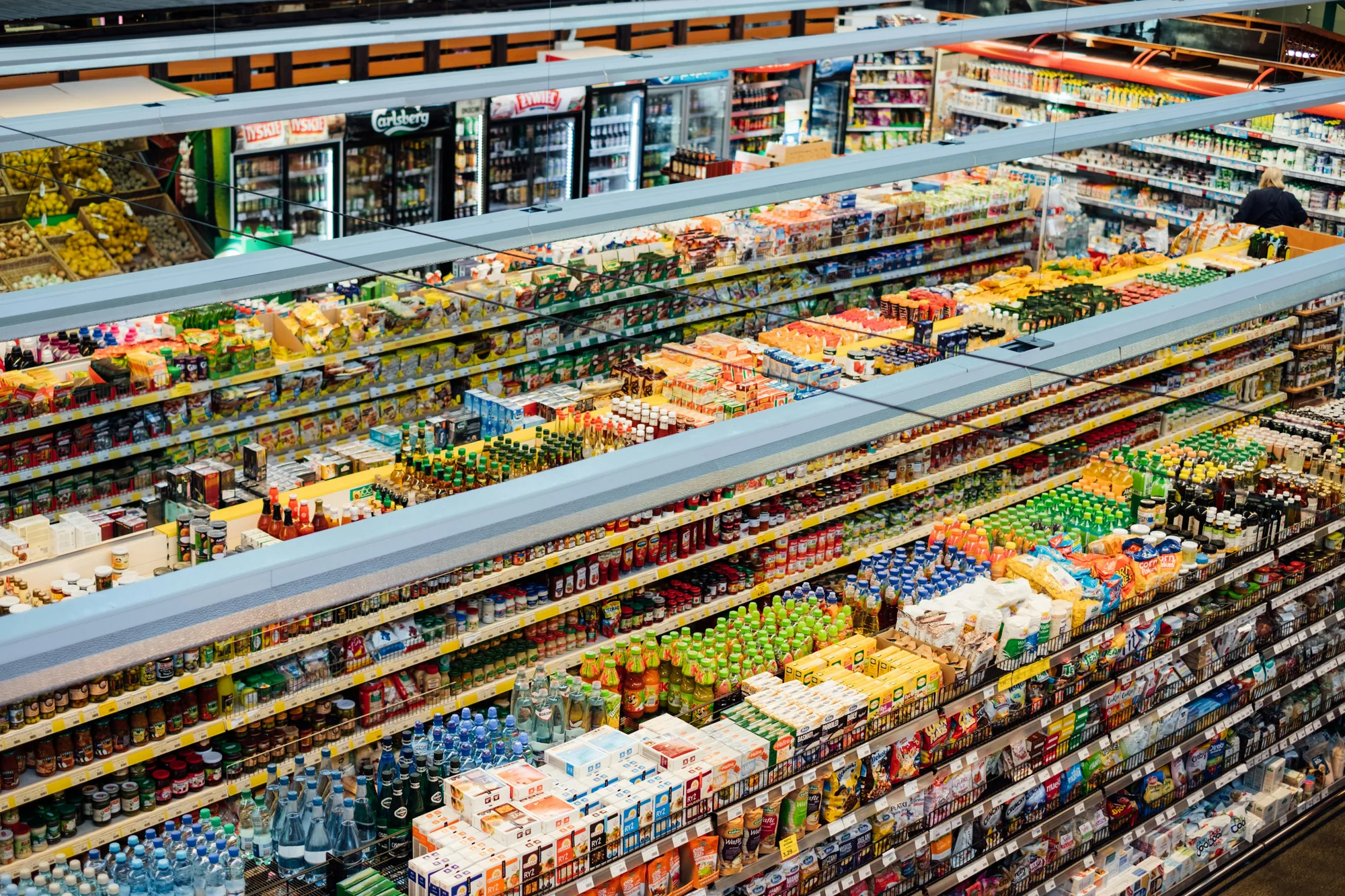
The Rise of Omnichannel FMCG in the MENA Region: How Brands Can Win in 2025 and Beyond

Oct 14, 2025

Oct 14, 2025

Introduction

The FMCG industry in the Middle East and North Africa (MENA) is undergoing rapid transformation.
Driven by technology, shifting consumer habits, and the convergence of retail and e-commerce, brands are rethinking how they reach customers.

For companies expanding from Europe — like Mad About Brands — this evolution creates enormous opportunity.
In this article, we explore how omnichannel retailing is reshaping the FMCG sector in the GCC, and how food and cosmetics brands can build scalable success in 2025 and beyond.

(Internal link idea: “Learn more about our distribution model in the Projects section or contact our team to discuss partnership opportunities.”)

1. What Omnichannel Means for FMCG

Modern consumers in GCC markets such as UAE, Saudi Arabia, and Qatar no longer think in “online” or “offline” terms.
They expect convenience, consistency, and personalized engagement across every touchpoint — from a social media ad to a supermarket shelf.

According to NielsenIQ, over 70% of MENA consumers now use a mix of online and physical channels before making a purchase.
This means FMCG brands must deliver unified experiences: consistent branding, synchronized pricing, and frictionless fulfillment.

2. Key Drivers Behind the Omnichannel Shift

a. The Digital-First Consumer

GCC consumers are among the most connected globally — with smartphone penetration above 90%.
Social commerce via Instagram and TikTok drives brand discovery, while e-commerce platforms like Noon and Amazon.ae handle conversions.

b. Growth of E-Commerce Infrastructure

Government initiatives like Saudi Vision 2030 and Dubai’s Smart Economy have accelerated digital adoption.
This has opened the door for European FMCG brands to enter the market faster with localized fulfillment and payment options.

c. Demand for Speed and Convenience

From instant delivery apps to drive-through supermarkets, convenience is now part of culture.
Consumers expect same-day delivery, click-and-collect, and reliable local customer service.

d. Cultural Trust and Localization

Trust remains critical: packaging must include Arabic labeling, halal certification, and clear sourcing.
Local adaptation drives conversion — without losing the European brand identity that consumers value.

3. Opportunities for Food and Cosmetics Brands

Food & Beverage

The demand for high-protein, low-sugar, and clean-label snacks is rising across GCC supermarkets, gyms, and cafés.
Brands that combine nutrition with taste — like protein bars and natural sauces — are winning the shelf space battle.

Cosmetics & Personal Care

In personal care, halal-certified, gender-neutral, and dermatologically tested products are growing segments.
Clean beauty and minimal formulations resonate strongly with modern consumers in the UAE and Saudi Arabia.

“Discover our cosmetics lines like BBALD and Essentum.

4. How to Build an Omnichannel Strategy for GCC Markets

Step

Strategy

Tools / Notes

1. Market Entry

Start with UAE or Saudi Arabia as launch markets. Test with one distributor and one e-commerce channel.

Use local fulfillment centers or 3PL.

2. Localization

Adapt packaging, labeling, and certification for GCC compliance.

Include Arabic + English; halal; shelf-life labeling.

3. Omnichannel Rollout

Integrate retail (Carrefour, Spinneys, Lulu) with online channels.

Use unified inventory & CRM.

4. Digital Marketing

Combine influencer campaigns, social ads, and content marketing.

Track via Meta Ads + Google Analytics.

5. Consumer Data Feedback

Analyze purchase patterns and reviews to refine assortments.

Use CRM + dashboards for insights.

5. Challenges — and How to Overcome Them

Challenge

Solution

Regulatory complexity

Partner with an experienced importer (like Mad About Brands) who handles documentation and labeling.

Price sensitivity

Offer multiple pack sizes or entry SKUs.

Cultural adaptation

Work with local marketing partners for Arabic campaigns.

Fragmented retail landscape

Use omnichannel management tools to sync distributors and inventory.

Read how we solved these challenges in our Projects section

6. Case Study: European Brands Entering GCC Through Omnichannel

When European FMCG brands expand into GCC markets, omnichannel distribution provides agility.
Instead of relying solely on large supermarket chains, they can combine direct-to-consumer (D2C) online sales with boutique retail and local partners.

For instance:

  • A European snack brand can launch via Amazon.ae → scale into Carrefour after 6 months.

  • A men’s skincare line can start online → move into wellness and gym retail once awareness grows.

This blended approach reduces risk, builds consumer familiarity, and strengthens negotiating power with big retailers.

7. Why Omnichannel Is the Future for MENA FMCG

The shift to omnichannel in MENA isn’t a passing trend — it’s the foundation for future growth.
As cross-border e-commerce becomes easier, consumers expect the same standards they see in Europe: transparency, design, and seamless service.

Mad About Brands is positioned at the intersection of these trends — bringing European-made FMCG brands into GCC markets through integrated brand creation, production, and distribution.

Learn more about our process or get in touch for partnership inquiries.

Conclusion

Omnichannel is redefining the FMCG landscape in the MENA region.
Consumers now expect connected experiences — from online discovery to store purchase and doorstep delivery.

For European food and cosmetics brands, the opportunity lies in smart localization, digital integration, and regional partnerships.
By combining innovation with operational excellence, brands can thrive in one of the fastest-growing consumer markets in the world.

At Mad About Brands, we help turn that potential into reality — building modern, scalable FMCG brands for a connected generation.

Ready to expand your brand in the GCC? Contact us today.

Introduction

The FMCG industry in the Middle East and North Africa (MENA) is undergoing rapid transformation.
Driven by technology, shifting consumer habits, and the convergence of retail and e-commerce, brands are rethinking how they reach customers.

For companies expanding from Europe — like Mad About Brands — this evolution creates enormous opportunity.
In this article, we explore how omnichannel retailing is reshaping the FMCG sector in the GCC, and how food and cosmetics brands can build scalable success in 2025 and beyond.

(Internal link idea: “Learn more about our distribution model in the Projects section or contact our team to discuss partnership opportunities.”)

1. What Omnichannel Means for FMCG

Modern consumers in GCC markets such as UAE, Saudi Arabia, and Qatar no longer think in “online” or “offline” terms.
They expect convenience, consistency, and personalized engagement across every touchpoint — from a social media ad to a supermarket shelf.

According to NielsenIQ, over 70% of MENA consumers now use a mix of online and physical channels before making a purchase.
This means FMCG brands must deliver unified experiences: consistent branding, synchronized pricing, and frictionless fulfillment.

2. Key Drivers Behind the Omnichannel Shift

a. The Digital-First Consumer

GCC consumers are among the most connected globally — with smartphone penetration above 90%.
Social commerce via Instagram and TikTok drives brand discovery, while e-commerce platforms like Noon and Amazon.ae handle conversions.

b. Growth of E-Commerce Infrastructure

Government initiatives like Saudi Vision 2030 and Dubai’s Smart Economy have accelerated digital adoption.
This has opened the door for European FMCG brands to enter the market faster with localized fulfillment and payment options.

c. Demand for Speed and Convenience

From instant delivery apps to drive-through supermarkets, convenience is now part of culture.
Consumers expect same-day delivery, click-and-collect, and reliable local customer service.

d. Cultural Trust and Localization

Trust remains critical: packaging must include Arabic labeling, halal certification, and clear sourcing.
Local adaptation drives conversion — without losing the European brand identity that consumers value.

3. Opportunities for Food and Cosmetics Brands

Food & Beverage

The demand for high-protein, low-sugar, and clean-label snacks is rising across GCC supermarkets, gyms, and cafés.
Brands that combine nutrition with taste — like protein bars and natural sauces — are winning the shelf space battle.

Cosmetics & Personal Care

In personal care, halal-certified, gender-neutral, and dermatologically tested products are growing segments.
Clean beauty and minimal formulations resonate strongly with modern consumers in the UAE and Saudi Arabia.

“Discover our cosmetics lines like BBALD and Essentum.

4. How to Build an Omnichannel Strategy for GCC Markets

Step

Strategy

Tools / Notes

1. Market Entry

Start with UAE or Saudi Arabia as launch markets. Test with one distributor and one e-commerce channel.

Use local fulfillment centers or 3PL.

2. Localization

Adapt packaging, labeling, and certification for GCC compliance.

Include Arabic + English; halal; shelf-life labeling.

3. Omnichannel Rollout

Integrate retail (Carrefour, Spinneys, Lulu) with online channels.

Use unified inventory & CRM.

4. Digital Marketing

Combine influencer campaigns, social ads, and content marketing.

Track via Meta Ads + Google Analytics.

5. Consumer Data Feedback

Analyze purchase patterns and reviews to refine assortments.

Use CRM + dashboards for insights.

5. Challenges — and How to Overcome Them

Challenge

Solution

Regulatory complexity

Partner with an experienced importer (like Mad About Brands) who handles documentation and labeling.

Price sensitivity

Offer multiple pack sizes or entry SKUs.

Cultural adaptation

Work with local marketing partners for Arabic campaigns.

Fragmented retail landscape

Use omnichannel management tools to sync distributors and inventory.

Read how we solved these challenges in our Projects section

6. Case Study: European Brands Entering GCC Through Omnichannel

When European FMCG brands expand into GCC markets, omnichannel distribution provides agility.
Instead of relying solely on large supermarket chains, they can combine direct-to-consumer (D2C) online sales with boutique retail and local partners.

For instance:

  • A European snack brand can launch via Amazon.ae → scale into Carrefour after 6 months.

  • A men’s skincare line can start online → move into wellness and gym retail once awareness grows.

This blended approach reduces risk, builds consumer familiarity, and strengthens negotiating power with big retailers.

7. Why Omnichannel Is the Future for MENA FMCG

The shift to omnichannel in MENA isn’t a passing trend — it’s the foundation for future growth.
As cross-border e-commerce becomes easier, consumers expect the same standards they see in Europe: transparency, design, and seamless service.

Mad About Brands is positioned at the intersection of these trends — bringing European-made FMCG brands into GCC markets through integrated brand creation, production, and distribution.

Learn more about our process or get in touch for partnership inquiries.

Conclusion

Omnichannel is redefining the FMCG landscape in the MENA region.
Consumers now expect connected experiences — from online discovery to store purchase and doorstep delivery.

For European food and cosmetics brands, the opportunity lies in smart localization, digital integration, and regional partnerships.
By combining innovation with operational excellence, brands can thrive in one of the fastest-growing consumer markets in the world.

At Mad About Brands, we help turn that potential into reality — building modern, scalable FMCG brands for a connected generation.

Ready to expand your brand in the GCC? Contact us today.